 LAURA NYRO - FILLMORE EAST - JUNE 20, 1970
 / AND WHEN I DIE / SAVE THE COUNTRY
Review
by Richie Unterberger
While a couple of the medleys of soul covers have shown up as bonus tracks on the expanded edition of Laura Nyro's Gonna Take a Miracle, everything else from this 1971 show was previously unreleased. In fact two of the songs, the lengthy Nyro originals "American Dove" and "Mother Earth" (the latter clocking in at eight minutes), appear here for the first time anywhere. It's just Nyro and her piano on this recording, and while the sleeve note apologizes for the sound quality due to deterioration of the tape, actually it sounds pretty good, though not pristine. There are both positive and negative ways of viewing this archival find. On one hand the set list, oddly, contained none of her best-known songs ("Wedding Bell Blues," "Stoned Soul Picnic," "Sweet Blindness," "Blowin' Away," and "And When I Die" are all missing for starters), which might disappoint some fans. Also, the unplugged reliance on nothing but piano backup makes this less varied and, in some ways, less interesting than the full arrangements she used on her early studio releases. On the other hand the emphasis on lesser-known songs and soul covers — as well as, for that matter, the use of solo piano arrangements — means that both the material and the setting provide a glimpse of different sides of the singer/songwriter than are apparent in her more familiar studio albums. Nyro sings in a beautifully high range and her piano accompaniment is sensitive, though whether due to the recording flaws or the way she presented herself in live performance, the words aren't always wholly distinct. It's not on par with her early studio releases, and neither "American Dove" nor "Mother Earth" are great songs; they're okay and certainly in her soulful singer/songwriting vein, but a little meandering. But fans will treasure this as a document of Nyro in a more intimate setting than her early official releases allowed.
%2520%25203%5B1%5D.jpg) Laura Nyro
Laura Nyro
From Wikipedia, the free encyclopedia
Review
by Richie Unterberger
While a couple of the medleys of soul covers have shown up as bonus tracks on the expanded edition of Laura Nyro's Gonna Take a Miracle, everything else from this 1971 show was previously unreleased. In fact two of the songs, the lengthy Nyro originals "American Dove" and "Mother Earth" (the latter clocking in at eight minutes), appear here for the first time anywhere. It's just Nyro and her piano on this recording, and while the sleeve note apologizes for the sound quality due to deterioration of the tape, actually it sounds pretty good, though not pristine. There are both positive and negative ways of viewing this archival find. On one hand the set list, oddly, contained none of her best-known songs ("Wedding Bell Blues," "Stoned Soul Picnic," "Sweet Blindness," "Blowin' Away," and "And When I Die" are all missing for starters), which might disappoint some fans.
Also, the unplugged reliance on nothing but piano backup makes this less varied and, in some ways, less interesting than the full arrangements she used on her early studio releases. On the other hand the emphasis on lesser-known songs and soul covers — as well as, for that matter, the use of solo piano arrangements — means that both the material and the setting provide a glimpse of different sides of the singer/songwriter than are apparent in her more familiar studio albums. Nyro sings in a beautifully high range and her piano accompaniment is sensitive, though whether due to the recording flaws or the way she presented herself in live performance, the words aren't always wholly distinct. It's not on par with her early studio releases, and neither "American Dove" nor "Mother Earth" are great songs; they're okay and certainly in her soulful singer/songwriting vein, but a little meandering. But fans will treasure this as a document of Nyro in a more intimate setting than her early official releases allowed.Laura NyroFrom Wikipedia, the free encyclopedia



%252B(Front1)%5B1%5D.jpg)


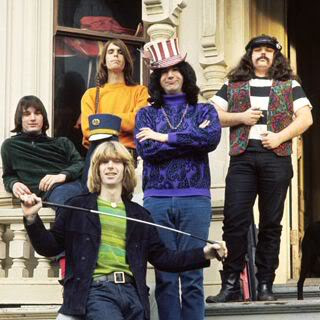
 Sebastian remained in the band but departed in 1968. He and the original band reunited to appear in the film







.jpg)



.jpg)




.jpg)


+-+cover.png)


.jpg)








%20%20-%20Front%20Cover%201.jpg)








.jpg)