%252B(Front1)%5B1%5D.jpg)
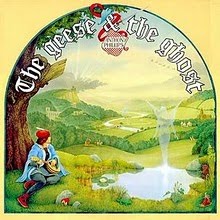
Stephan Micus Athos
Bavarian zither, sattar, shakuhachi, suling, nay, flowerpots, voice
On The Way
The First Night
The First Day
The Second night
The Second Day
The Third Night
The Third Day
On the Way Back
Recorded November 1993-February 1994ECM 1551
ενας πολίτης του κόσμου ,
ενας μοναχικός πολεμιστής,
μικρός προσευχητής
στην Ομορφιά της Μάνας Γής !!
οσο ακόμα ..
ενας μοναχικός πολεμιστής,
μικρός προσευχητής
στην Ομορφιά της Μάνας Γής !!
οσο ακόμα ..

Αν η μουσική , που γεννιέται στις γειτονιές του κόσμου,
είχε πρόσωπο, θα μπορούσε να είναι αυτό του Μίκους.
Μελωδίες και απόηχοι του Κόσμου,
φωνές και όργανα από κάθε γωνία του πλανήτη
ενώνονται και μεταμορφώνονται
σε νέες οντότητες μέσα στο έργο του.
είχε πρόσωπο, θα μπορούσε να είναι αυτό του Μίκους.
Μελωδίες και απόηχοι του Κόσμου,
φωνές και όργανα από κάθε γωνία του πλανήτη
ενώνονται και μεταμορφώνονται
σε νέες οντότητες μέσα στο έργο του.
Σαν τα παιδιά ,
που φέρουν το προγονικό τους γονιδio στο μέλλον,
γεφυρώνοντας το χθες με το αύριο,
έτσι και μια δημιουργική,
άχρονη και οικουμενική τέχνη
έρχεται από παντού πηγαίνοντας παντού.
που φέρουν το προγονικό τους γονιδio στο μέλλον,
γεφυρώνοντας το χθες με το αύριο,
έτσι και μια δημιουργική,
άχρονη και οικουμενική τέχνη
έρχεται από παντού πηγαίνοντας παντού.

Athos is a 1994 album produced by Stephan Micus for ECM.
Based on a three-day visit to Mount Athos, in it Micus tries to capture his experiences with the Greek Orthodox liturgy he experienced in the monasteries there, framing it with pieces that evoke his emotions at going to and leaving the isolated peninsula. Between them he recreates the liturgical experience of the services during his stay, in six alternating pieces of night and day.
As in his other works, Micus uses a combination of traditional instruments from various cultures to capture the feel of the monastery. These include the sattar (a bowed 10-string instrument used by the Uyghur), the shakuhachi (a Japanese bamboo flute), the suling (a reed flute from Bali), the ney (a Middle Eastern flute), and even 22 flowerpots, filled with water, which he plays with his hands and with mallets. These instruments are only used in the pieces representing the days on Mount Athos.
To emulate the Greek Orthodox tradition of not using musical instruments in their services, his pieces devoted to the nights are performed by a 22-man choir singing prayers to the Virgin Mary.
Wikipedia, the free encyclopedia
Wikipedia, the free encyclopedia

 απο τα 18 του με πρώτη στάση το Μαρόκο,
πολύ πριν την τουριστική του «αξιοποίηση»,ταξιδεύει στις πέντε ηπείρους.
Γνώρισε λαούς ,τα έθιμά τους ,τον πολιτισμό τους,από πολύ κοντά.
«Δεν μπορείς να νιώσεις τη μουσική ενός τόπου αν δεν ζήσεις, περπατήσεις, εμβαθύνεις στον πολιτισμό τους ,στην κουλτούρα τους,τραφείς με την ντόπια κουζίνα τους»
λέει και έχει δίκιο.
Σπουδάζει δεκάδες τεχνικές και όργανα
 από τους ντόπιους ανά τη Γη πρακτικούς οργανοπαίκτες,
και πάνω απο 40 χρόνια τώρα :
επιχειρεί το αδύνατο:
ένα ταξίδι στο χρόνο με ιδιότυπο στοχασμό και ηχοποιΐα ,
αναφερόμενη στην ελληνόφωνη, χριστιανική, βαλκανική και
ανατολική αυτοκρατορία,
στο υπερχιλιετές μεσαιωνικό έπος των
μυρίων δοξασιών και γρίφων.Η Δεύτερη Μέρα (the Second Day)
καθ'Οδόν (on The Way)
πάνω απο 40 χρόνια τώρα επιχειρεί το αδύνατο :
ένα ταξίδι στο χρόνο με ιδιότυπο στοχασμό και ηχοποιΐα ,
αναφερόμενη στην ελληνόφωνη, χριστιανική, βαλκανική και
ανατολική αυτοκρατορία,
στο υπερχιλιετές μεσαιωνικό έπος των μυρίων δοξασιών και γρίφων.

σε κήπους μυστικούς - καλά κρυμμένους απ'τους θεούς,
που για να διαβείς το κατώφλι
αφήνεις για πάντα πίσω σου ,
την κουλτούρα - κοινωνία των σημερινών Νεκρών Πόλεων...
σημείο αναφοράς και ταυτότητα μαζί
για τον κόσμο που χάθηκε στην επιφάνεια των πραγμάτων..
για τον κόσμο που χάθηκε στην επιφάνεια των πραγμάτων..
εχουν Επίγνωσιν οι Φύλακες
(Ραψωδία λ )










.jpg)



.jpg)








.jpg)


+-+cover.png)


.jpg)

















.jpg)